

WANGDUE TSHECHU 2026 – A Journey Through Bhutan’s Living Heritage


7 days
6 nights
GRADE Easy
None

Festival Tour Highlights:

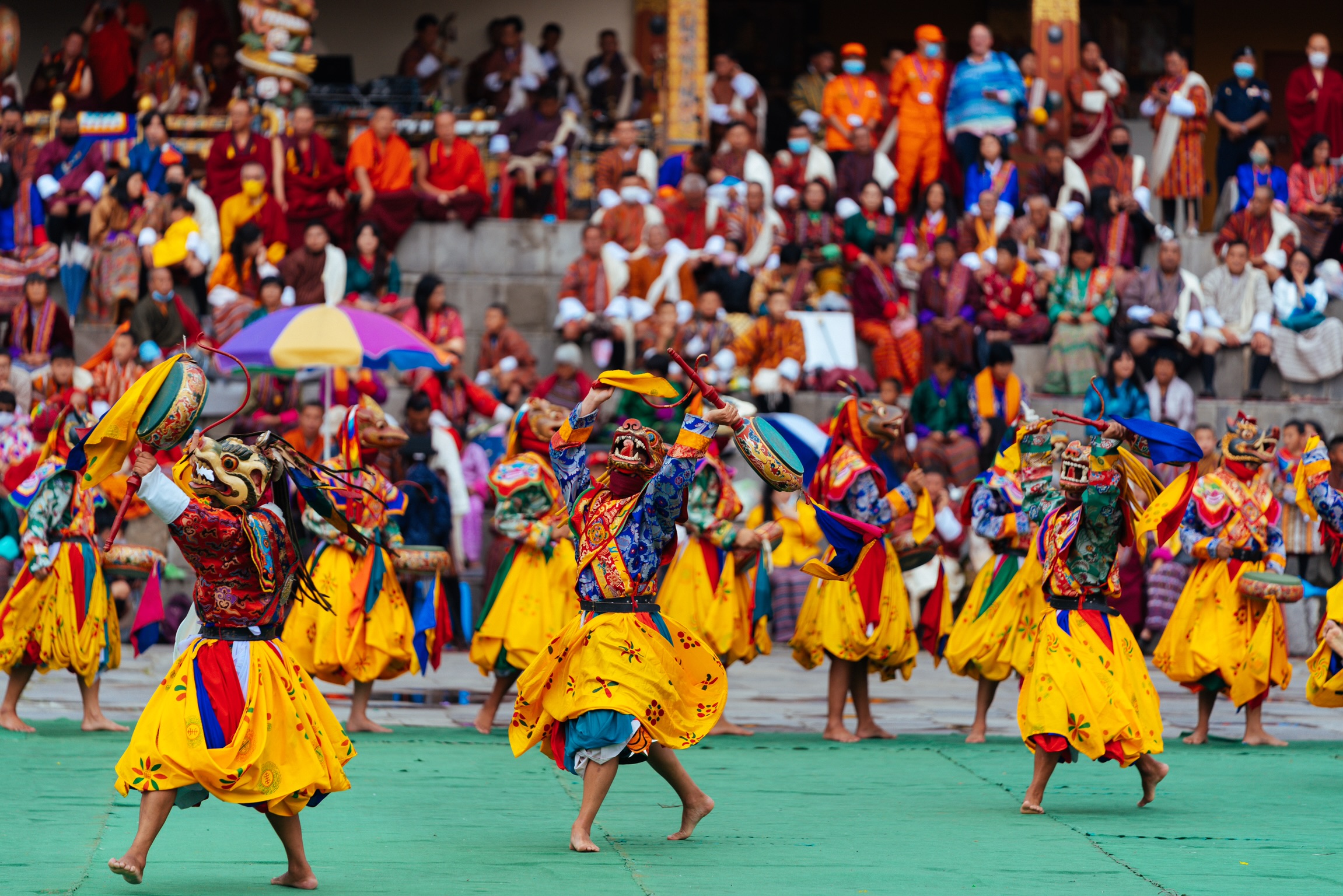
This September, experience the electrifying Wangdue Tshechu Festival and its sacred mask dances. A spectacle of culture, colour and spirituality awaits.
• Engage with friendly local people and experience their hospitality
• Visit Bhutan’s ancient dzongs, temples and monasteries
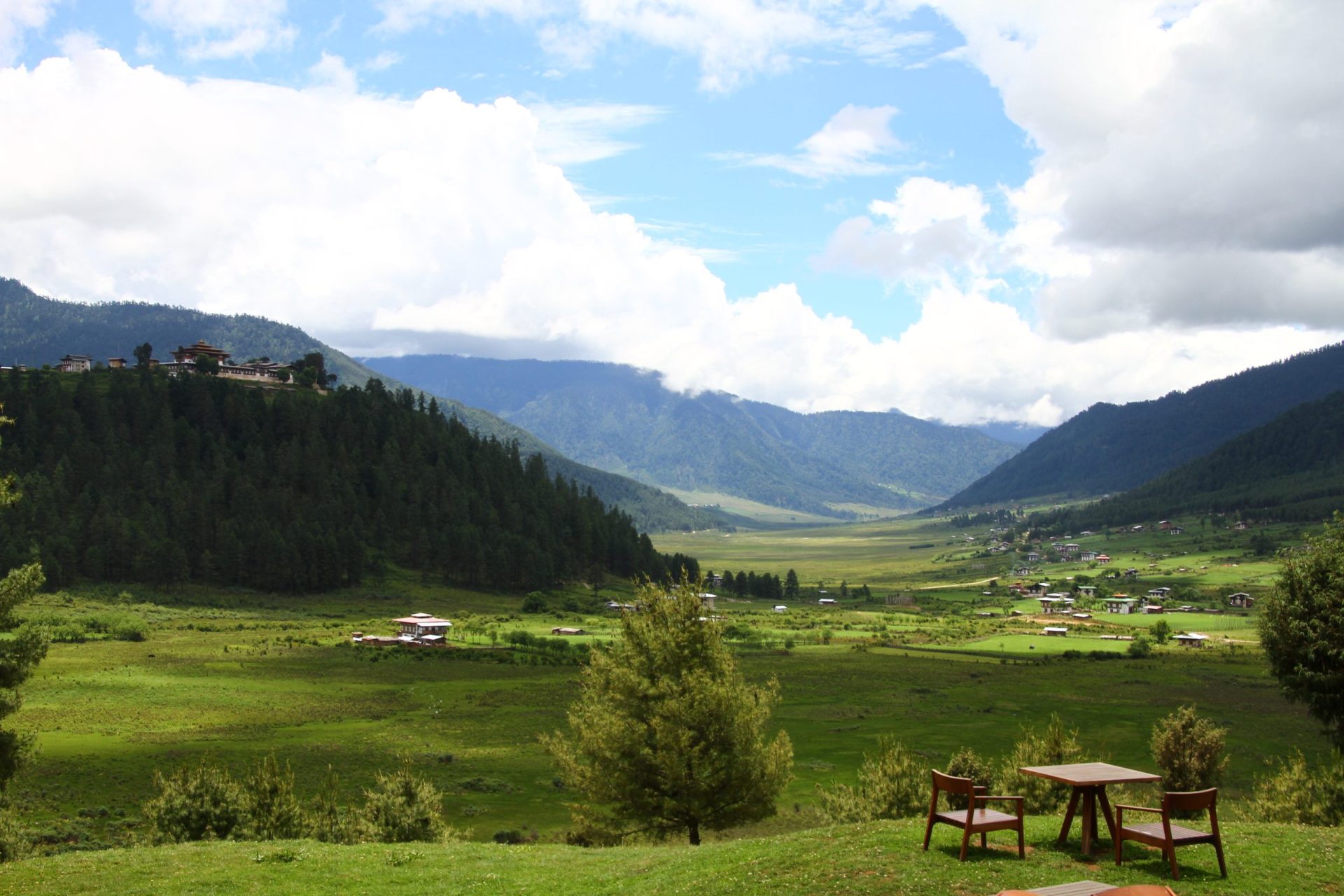
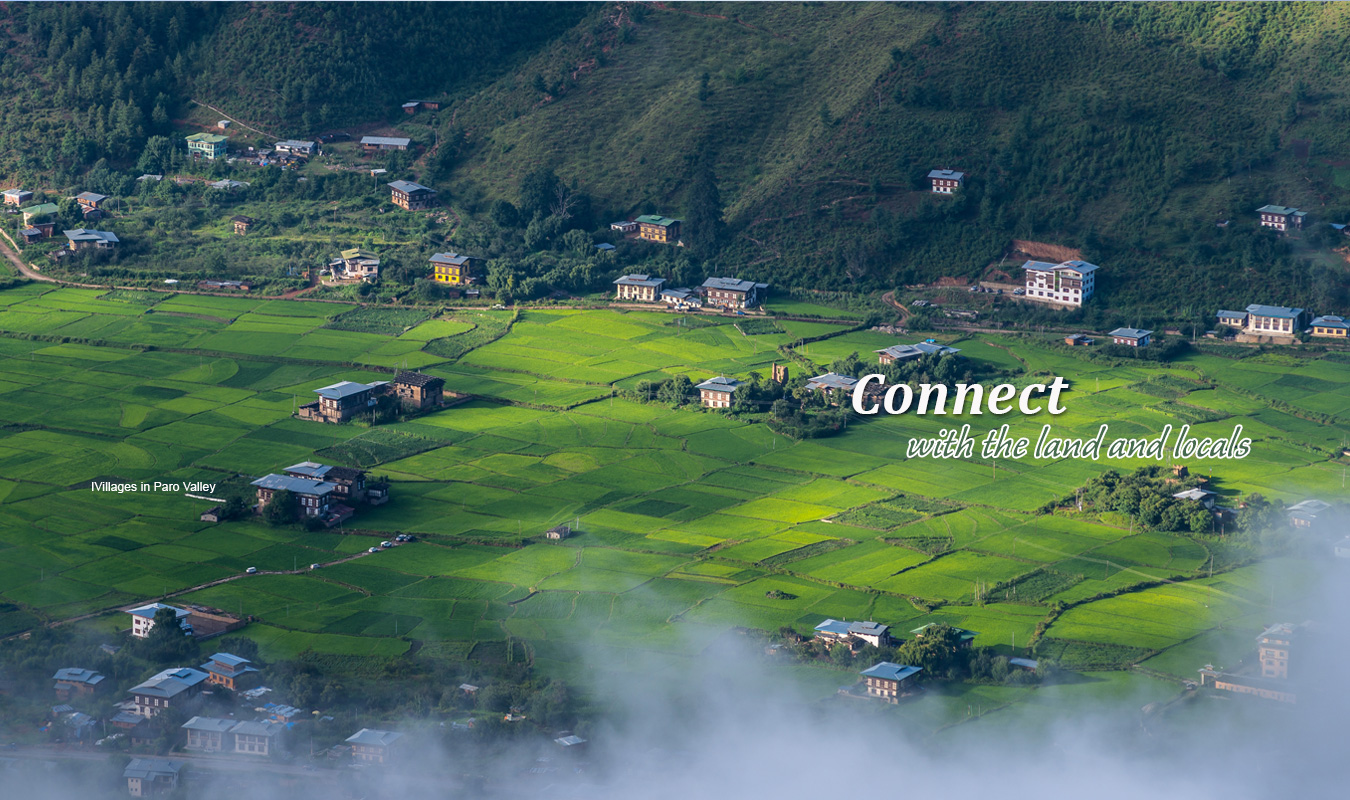
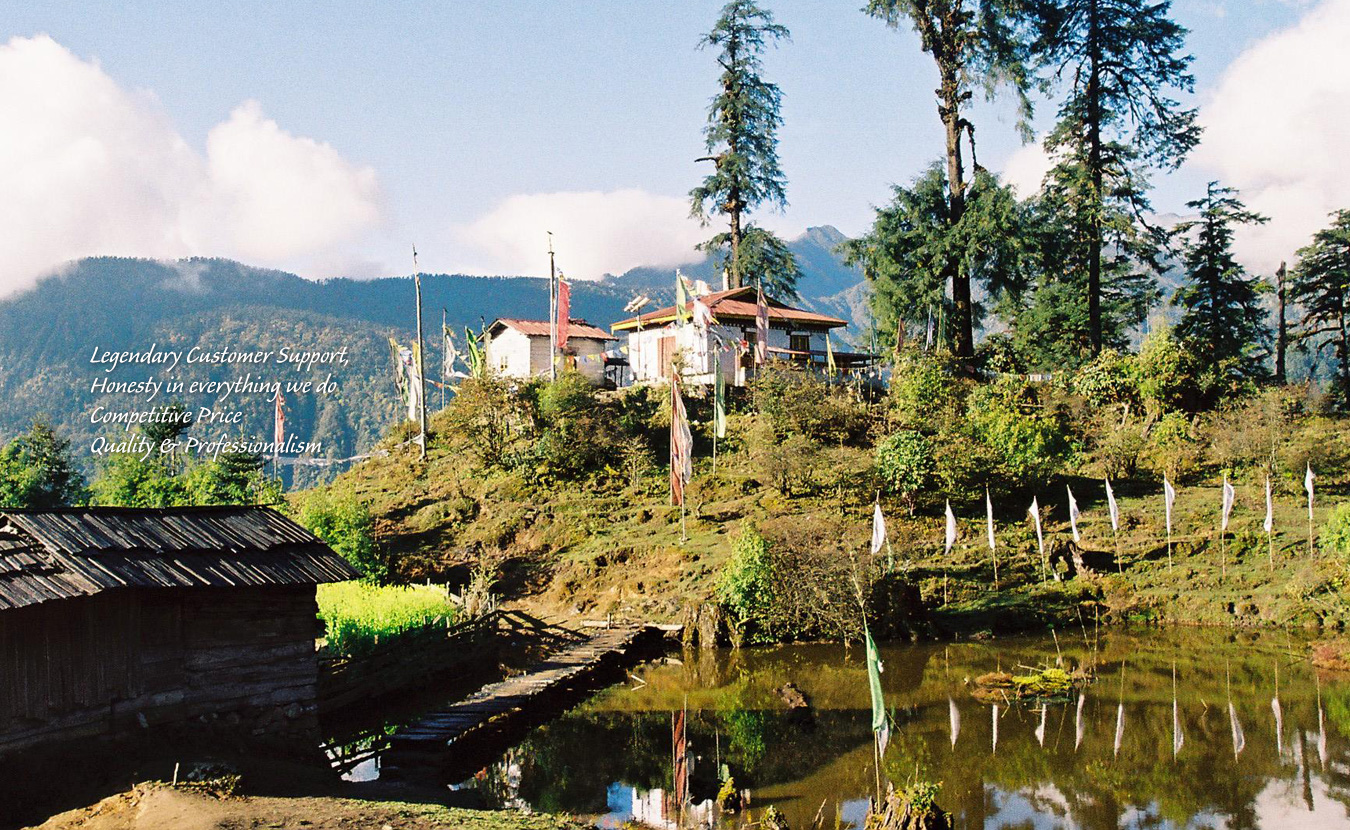
• Enjoy breathtaking scenic landscapes and serene valleys
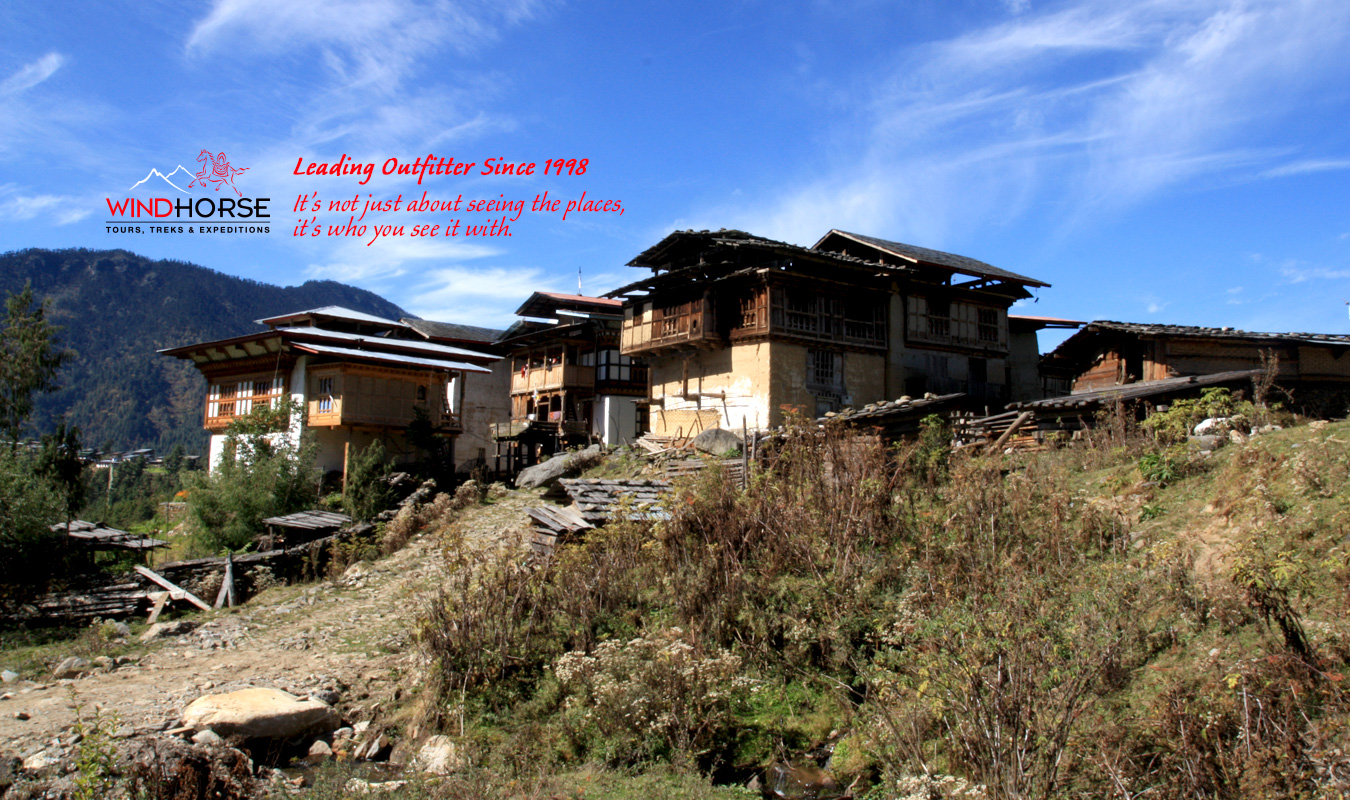
• Explore pristine villages and traditional farmhouses
Wangdue Tshechu Festival Tour Itinerary (Sketch).
• Day 1. Arrive Paro – Thimphu sightseeing | 54 km | Drive: 1.5 hours | Altitude 2334 m.
• Day 2. Discover Thimphu | 2334 m.
• Day 3. Thimphu – Punakha sightseeing/Wangdue Tshechu Festival (Day1) | 76 km | Drive: 3 hours | Altitude 1242 m.
• Day 4. Witness the Wangdue Tshechu festival |14 km | Drive: 30 minutes.
• Day 5. Witness the Unfurling of the Thongdrel at Wangdue Tshechu Festival | Paro | 108.8 km | Drive: 3 hours.
• Day 6. Paro – Hike to the Tiger’s nest monastery/Cultural Paro Exploration | 7 km | Hike: 4 hours.
• Day 7. Paro – Departure- Kathmandu
Wangdue Tshechu Festival in Bhutan
The Wangdue Tshechu Festival is celebrated in Wangdue Phodrang over three vibrant days during the autumn season. In 2026, it will be held from 19 to 21 September. This sacred event is
renowned for the Raksha Mangcham, or Dance of the Ox, symbolizing the judgment of souls after death. Throughout the festival, a variety of colorful mask dances are performed, each carrying deep spiritual significance and blessings for all who attend.
The celebration concludes with the grand unfurling of the Guru Tshengye Thongdrel, a giant appliqué tapestry depicting Guru Padmasambhava and his eight manifestations—an auspicious moment believed to cleanse sins and bring good fortune. It is a living festival where the whole valley of Wangdue participate as dancers or engaged spectators.
Day 1 – 17 September 2026 | Arrive Paro – Transfer to Thimphu (1.5 hrs drive)

Welcome to the peaceful Kingdom of Bhutan known as Land of the Thunder Dragon.
Your journey begins with a breathtaking descent into Paro Valley, one of the world’s most scenic flights, offering views of Mt. Everest, Kanchenjunga and Bhutan’s sacred peaks. On arrival to Paro, after completion of airport formalities, our guide will be there to receive you with warmly with Khadar ceremony (white scarf, considered good luck) to greet you and escort to our private vehicle and proceed to Thimphu.
• Tachog Lhakhang & Iron Bridge: Your first immersive experience begins en route to Thimphu with a stop at Tachog Lhakhang which takes 10 minutes from the suspension bridge. Founded by the great bridge builder Thangtong Gyalpo in the 15th century, the temple is accessible via an ancient iron chain suspension bridge draped over the Pa Chhu River. Walking across this bridge is like stepping into a timeless Bhutanese landscape.
• Lunch at Babesa Village Restaurant: Experience authentic Bhutanese cuisine in a traditional farmhouse setting, where your local representative warmly welcomes you.
• National Memorial Chorten: Built in memory of Bhutan’s Third King, this whitewashed stupa is a center of daily prayer for locals – a charming introduction to Bhutan’s spiritual devotion.
• Visit to Centenary Farmer’s Markert, evening leisure walk through Thimphu city, blending tradition and modernity.
Overnight in Thimphu
Day 2 – 18 September 2026 | Discover Thimphu

Thimphu, Bhutan’s capital, is unlike any other – a city without traffic lights, where spirituality and modernity co-exist.
• Buddha Dordenma: This 169-foot statue overlooking the valley radiates peace. It houses 125,000 smaller Buddha statues inside, representing the presence of compassion in all beings.
• Takin Preserve: Home to Bhutan’s national animal, the takin, a mythical creature believed to have been created by the great saint Drukpa Kunley, the “Divine Madman.”
• Sangaygang View Point: Offers panoramic views of Thimphu Valley and surrounding pine-covered hills.
• Changangkha Lhakhang: The city’s oldest temple, a popular site for local families to bring their newborns for blessings.
• National Institute for Zorig Chusum: Witness students preserving Bhutan’s traditional 13 arts and crafts – from thangka painting to wood carving and embroidery.
• Handicrafts Emporium: A chance to support local artisans by purchasing traditional textiles and crafts.
Overnight in Thimphu.
Day 3 – 19 September 2026 | Thimphu → Punakha – Wangdue Festival (Day 1)

Journey over the 3,100m Dochula Pass, adorned with 108 stupas and offering Himalayan views if the skies are clear. Each stupa commemorates Bhutanese soldiers who died protecting the nation.
Option 1
• Chimi Lhakhang (Temple of Fertility): Built in honor of Drukpa Kuenley, famed for his unconventional teachings of enlightenment through humor and folklore. Couples visit this temple seeking fertility blessings.
• Wangdue Tshechu – Day 1: The festival celebrates the triumph of good over evil through sacred mask dances (Cham), believed to cleanse sins and bless spectators. The festival also marks the cultural unity of the Wangdue region.
• Farmhouse Dinner: Enjoy a traditional Bhutanese dinner with local hospitality, tasting homemade butter tea and ara (rice wine).
Option 2
• Visit Chimi Lhakhang (Temple of Fertility) through a gentle walk across the charming village of Sopsokha, surrounded by paddy fields and traditional houses adorned with symbolic paintings. Dedicated to Lama Drukpa Kuenley, affectionately known as the “Divine Madman,” this temple is believed to bless couples seeking fertility and happiness.
• Explore Punakha Dzong, one of Bhutan’s most magnificent fortresses, strategically located at the confluence of the Pho Chu (Male River) and Mo Chu (Female River). Known as the “Palace of Great Happiness,” this architectural masterpiece once served as the seat of government and still houses important relics of the Drukpa lineage.
• Short hike to the Suspension Bridge — one of Bhutan’s longest — offering breathtaking views of the river valley and the Dzong, or simply relax by the riverside, soaking in the serenity and natural beauty of Punakha’s lush landscape.
• Overnight in Punakha, surrounded by the peaceful sounds of the valley and the gentle flow of the rivers.
Overnight in Punakha
Day 4 – 20 September 2026 | Wangdue Tshechu (Day 2) & Punakha Sightseeing

Drive early morning to attend Wangdue Tshechu (Day 2) at Wangdue Phodrang Dzong. (approx. 30 min).
• Wangdue Phodrang Dzong: Recently restored after a fire, the Dzong majestically sits above the Punatsangchu River. During the Tshechu, its courtyards come alive with mask dances such as the Raksha Mangcham (Dance of the Ox) that symbolizes judgment after death.
• Enjoy the vibrant mask dances (Cham), local music, and community gathering.
• Learn the significance of Raksha Mangcham (Dance of the Ox), unique to Wangdue.
• Interact with local villagers dressed in traditional attire.
• Evening: Return to Punakha for rest
Overnight in Punakha.
Day 5 – 21 September 2026 | Wangdue Festival (Final Day) – Drive to Paro

Witness the unveiling of the Thongdrel – a gigantic tapestry depicting Guru Rinpoche, believed to grant liberation upon sight. This is the spiritual climax of the Wangdue Tshechu.
• After the festival, drive back to Paro approximately 4 hours, passing through Dochula Pass again.
• Stop at Lamperi Botanical Park, home to Bhutan’s diverse flora including rhododendrons and blue pines.
Overnight in Paro
Day 6 – 22 September 2026 | Paro – Two Sightseeing Options
Option A: Tiger’s Nest Hike (Taktsang Monastery) & Kyichu Lhakhang
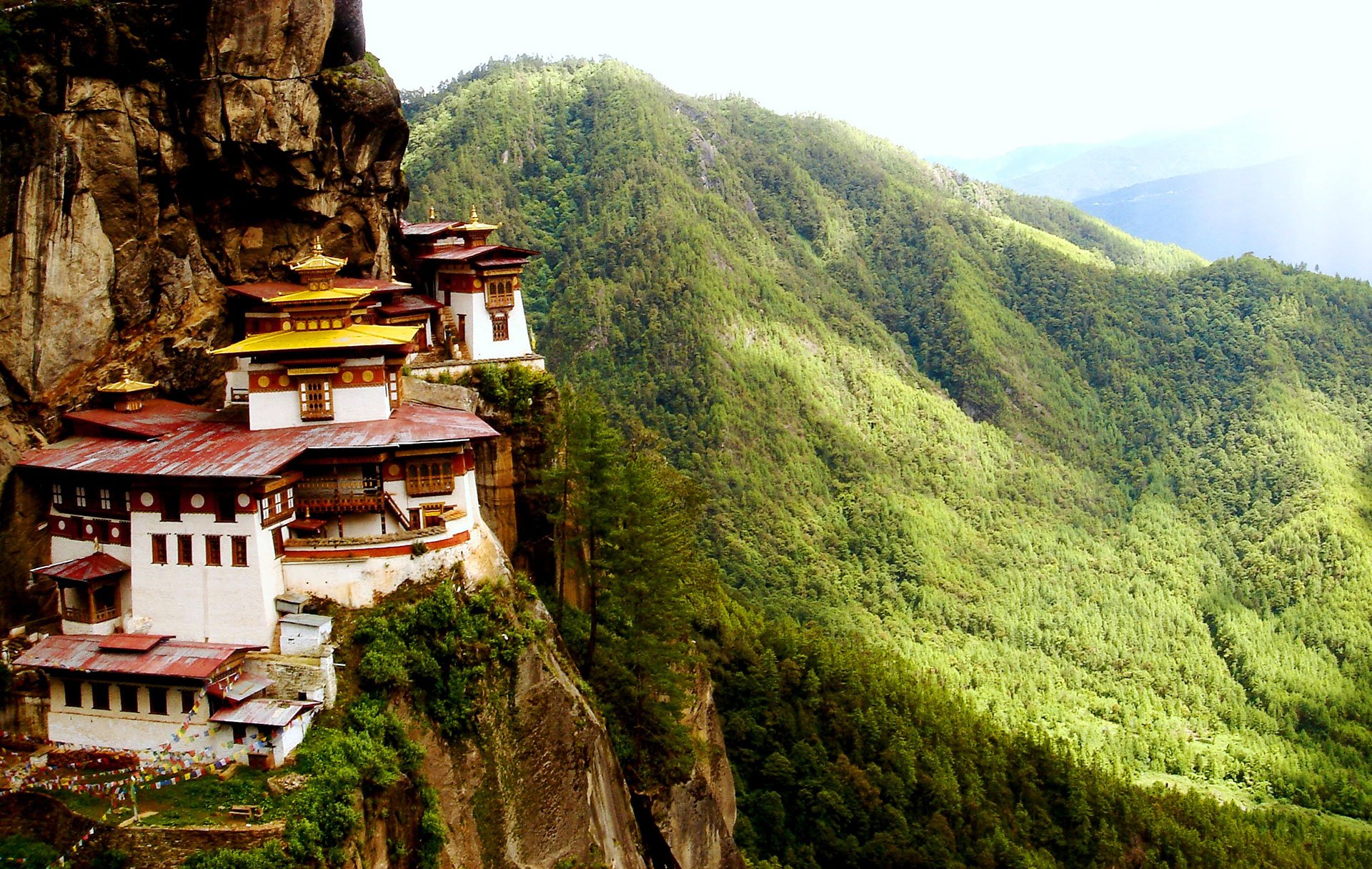
• The hike to Taktsang Monastery (approx. 4 hrs round trip) is Bhutan’s most iconic experience. The monastery clings to a 900m cliff and is said to be where Guru Rinpoche meditated in the 8th century after flying on the back of a tigress.
• Afternoon visit to Kyichu Lhakhang, one of the 108 temples built by Tibetan King Songtsen Gampo to subdue a giant demoness lying across the Himalayas.
Option B: Cultural Paro Exploration
• Visit Drugyel Dzong, symbol of victory over Tibetan invasions.
• Ta Dzong (National Museum): Once a watchtower, now housing Bhutan’s finest art and artifacts.
• Rinpung Dzong: Known as the “Fortress of the Heap of Jewels,” it is an architectural masterpiece.
• End the day at Kyichu Lhakhang for prayers and reflection.
Overnight in Paro.
Day 7 – 23 September 2026 | Departure Paro → Kathmandu
• Early morning transfer to Paro International Airport.
• Flight KB400 departs Paro at 07:10 and arrives Kathmandu at 08:10 (tentative).
• Bid farewell to the “Last Shangri-La” carrying blessings of Wangdue Tshechu and Bhutan’s timeless serenity.